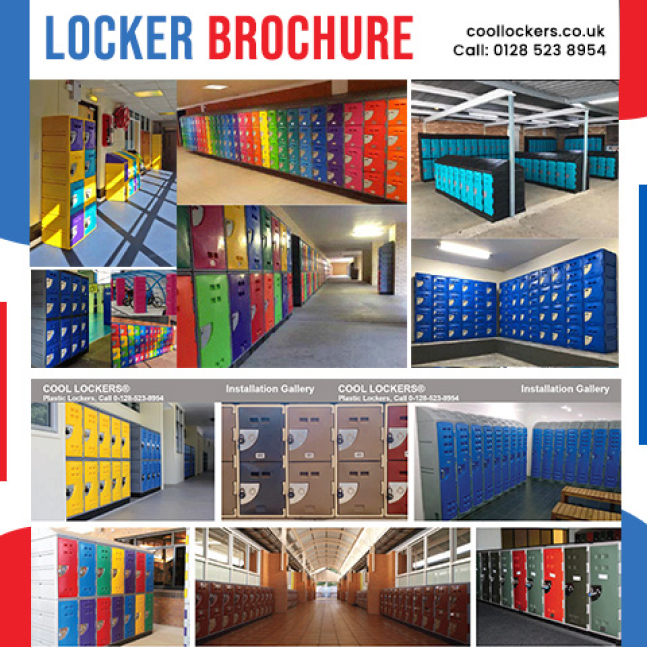
When it comes to outfitting educational institutions, selecting the right school lockers is crucial. They not only provide secure storage for students’ belongings but also contribute to the overall organization and safety of the school environment. In this guide, we’ll delve into the different types of school lockers, focusing on indoor and outdoor options, and offer insights into choosing the best school lockers to meet your institution’s needs.
Understanding School Lockers
What Are School Lockers?
School lockers are secure compartments provided to students for storing personal items such as books, bags, and electronic devices. They are typically made from materials like metal, wood, or plastic and come in various sizes and configurations to accommodate different storage needs.
Importance of School Lockers
- Security: Protects students’ personal belongings from theft or damage.
- Organization: Helps in maintaining a clutter-free environment.
- Safety: Reduces the risk of accidents by keeping personal items off the floor.
- Privacy: Provides students with a personal space to store their items.
Types of School Lockers
1. Indoor School Lockers
Indoor school lockers are designed for use within the school premises, such as hallways, classrooms, and gymnasiums. They are typically made from materials like steel, laminate, or wood.
Features to Consider:
- Material Durability: Steel lockers are known for their strength and longevity.
- Ventilation: Proper ventilation prevents the buildup of odors and moisture.
- Locking Mechanism: Options include combination locks, key locks, and digital locks.
2. Outdoor School Lockers
Outdoor school lockers are specifically designed to withstand various weather conditions, making them ideal for use in outdoor areas like sports fields, playgrounds, and poolside areas.
Features to Consider:
- Weather Resistance: Materials like high-density polyethylene (HDPE) are UV-stabilized and resistant to moisture, ensuring longevity in outdoor environments.
- Corrosion Resistance: Phenolic materials prevent swelling, rust, or corrosion, making them suitable for humid or coastal areas.
- Security: Locking mechanisms should be tamper-proof and weather-resistant.
Choosing the Best School Lockers
1. Assess Your Needs
- Student Population: Determine the number of lockers required based on student enrollment.
- Usage Frequency: Understand how often lockers will be used to choose appropriate materials and designs.
- Storage Requirements: Consider the types of items students will store to determine locker size and configuration.
2. Evaluate Material Options
- Metal Lockers: Durable and cost-effective, suitable for high-traffic areas.
- Wooden Lockers: Provide a traditional aesthetic but may require more maintenance.
- Plastic Lockers: Resistant to moisture and corrosion, ideal for outdoor use.
3. Consider Security Features
- Locking Mechanisms: Choose between combination locks, key locks, or digital locks based on security needs.
- Reinforced Doors: Ensure doors are sturdy to prevent unauthorized access.
- Ventilation: Proper airflow reduces the risk of mold and odors.
4. Budget and Warranty
- Cost: Balance quality and budget to find the best value.
- Warranty: Opt for lockers with a warranty to ensure long-term reliability.
Recommended School Locker Providers
For high-quality school lockers, consider exploring Cool Lockers, which offers a range of durable and secure locker solutions tailored to educational institutions.
Conclusion
Selecting the right school lockers is essential for maintaining a secure and organized environment for students. By considering factors like material durability, security features, and specific needs, you can choose the best school lockers that align with your institution’s requirements. Remember to regularly assess and maintain lockers to ensure they continue to serve their purpose effectively.